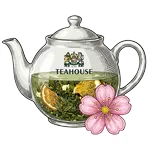
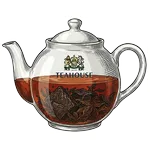
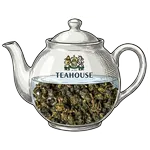



If there is one flavored tea that almost everyone knows, it is tea with bergamot. Its classic name is Earl Grey, and over the course of almost two centuries, it has become one of the most recognizable tea blends in the world. It is easy to recognize by its distinctive fresh citrus aroma, which is at once sunny, light, and slightly perfumed. For some, Earl Grey is a morning cup of tea; for others, it is a classic British afternoon tea; and for some, it is a favorite flavor that has been familiar since childhood.
But behind this familiar name lies a much more fascinating story. Let’s take a closer look at what tea with bergamot is, where Earl Grey came from, what varieties of it exist, and why this blend has remained popular for generations.
What Is Tea with Bergamot?
Tea with bergamot is tea flavored with bergamot. Black tea is most commonly used as its base, but today you can also find green, white, and other types of tea flavored with bergamot. Bergamot essential oil, extracted primarily from the peel of the fruit, is typically used for flavoring. It creates the distinctive Earl Grey aroma – fresh and citrusy, slightly bitter, yet floral and almost perfume-like.
The best-known representative of this category is Earl Grey – black tea flavored with bergamot. Its taste can vary considerably depending on the tea base, the amount of bergamot oil, and any additional ingredients, but bergamot remains the defining note that gives the blend its character.
Where Did Earl Grey Tea Come From?
The history of Earl Grey is surrounded by beautiful legends, and today it is difficult to separate them from established facts. The name is associated with Charles Grey, 2nd Earl Grey, a British statesman who served as Prime Minister of the United Kingdom from 1830 to 1834. According to one of the best-known legends, Earl Grey received the flavored tea as a gift from a grateful Chinese mandarin. Another version claims that tea at the Grey family estate was flavored with bergamot to soften the characteristics of the local water.
Historians have no convincing evidence to confirm either of these stories. However, it is known that by the 19th century, tea with bergamot had become popular in Britain and eventually developed into a true classic. Today, the name Earl Grey refers not so much to one specific recipe as to an entire style of tea – a tea base characterized by a pronounced bergamot aroma.
What Is Bergamot?

Bergamot (Citrus bergamia) is a citrus fruit that shares some characteristics with familiar citrus fruits but has a distinctive aroma all of its own. Bergamot is best known for Calabria, a region in southern Italy, where it has been cultivated for many years. Calabrian bergamot is considered one of the most valuable sources of raw material for producing essential oil.
The fruit itself has a bitter and sour taste, which is why it is rarely eaten like an ordinary orange or mandarin. Instead, its peel is particularly valued, as it contains the aromatic essential oil. Bergamot oil is used not only in the tea industry. It has long been an important ingredient in perfumery and cosmetics. Bergamot is also one of the characteristic notes found in classic colognes. This is why the aroma of a good Earl Grey can simultaneously evoke fresh citrus zest, flowers, a subtle bitterness, and elegant perfume notes.
What Types of Tea with Bergamot Are There?
Although the first association with bergamot is usually black Earl Grey, the choice today is much broader.
Classic Black Earl Grey
This is the most common and best-known version. Black tea, most often from Ceylon, Kenya, India, or a blend of different black teas, is used as the base and flavored with bergamot. In a good Earl Grey, the tea base should not be overwhelmed by the aroma. It provides body, astringency, and depth, while bergamot adds freshness and its distinctive citrus character. This is the classic version — it can be enjoyed plain, with lemon, honey, or milk.
Green Tea with Bergamot
Bergamot pairs beautifully with green tea as well. The result is lighter and fresher: the grassy or floral notes of the green tea base meet the bright citrus aroma of bergamot. This version may appeal to those who enjoy Earl Grey but prefer a lighter and fresher profile.
Earl Grey with Flowers
Bergamot has a natural affinity with floral aromas, which is why it is often combined with rose, lavender, jasmine, cornflower, and other flowers. These blends can be softer and more aromatic than classic Earl Grey. Bergamot does not necessarily take center stage here — instead, it becomes part of a more complex composition.
Earl Grey with Fruits and Citrus
Another popular direction is combining bergamot with orange, lemon, lime, berries, and other fruits. Citrus fruits emphasize the freshness of bergamot, while fruity notes add sweetness and juiciness to the blend.
Smoky Earl Grey
This is an option for those who enjoy unusual combinations. Smoky Earl Grey combines bergamot with smoky Lapsang Souchong. The bright citrus aroma meets smoky, woody, and roasted notes. The result is completely different from classic Earl Grey — deeper, more distinctive, and more gastronomic.
But the variations do not end there. Bergamot pairs well with vanilla, spices, herbs, berries, and other aromatic ingredients. Today, tea with bergamot has become a whole category of blends — from restrained classics to complex signature compositions.
Why Is Earl Grey So Popular?
1. It is instantly recognizable
Earl Grey is difficult to confuse with any other tea. The bergamot aroma can be noticed even before the first sip. It quickly unfolds, fills the cup with fresh citrus notes, and immediately gives the tea its distinctive character.
2. It is versatile
Earl Grey can be enjoyed in many different ways. Plain — to appreciate the balance between the tea base and bergamot. With lemon — if you want extra freshness. With milk — in the classic British style. With honey — for a softer and sweeter taste. In summer, Earl Grey also works wonderfully as a base for iced tea.
3. It has a character of its own
Some teas can simply be described as pleasant. Others are instantly recognizable by their aroma. Earl Grey belongs to the second category. Bergamot gives it a distinctive personality, so even a simple cup of black tea becomes something more memorable.
4. It is connected with an entire culture
Earl Grey has long been part of the British tea image: fine porcelain, a small dessert, a book, rain outside the window, and an unhurried cup of tea. Of course, Earl Grey can be enjoyed anywhere. But this blend is so strongly associated with British tea culture that even an ordinary tea break can easily take on the feeling of a small ritual.
5. It is easy to explore beyond the classic
Earl Grey is a great example of a tea that can serve as an introduction to flavored blends.
You can start with classic black tea with bergamot. Then try green Earl Grey, a blend with flowers or fruits, or an unusual Smoky Earl Grey. One familiar aromatic note can lead to many completely different tea profiles.
6. It is an accessible classic
Earl Grey is not a type of tea that is difficult to find or limited to collectors. Good bergamot tea is available across a wide range of price points, while the style itself remains approachable and easy to understand even for those who are just beginning to explore tea.
How to Brew Tea with Bergamot Properly
For a classic Earl Grey based on black tea, you can use a simple brewing method:
- tea: 3 g per 200 ml of water;
- temperature: 95–100°C;
- steeping time: 3–5 minutes.
However, the exact steeping time is best adjusted according to the specific tea. If the tea base is delicate, steeping it for too long can make the drink overly astringent, while too much bergamot can make the aroma excessively sharp.
If you enjoy Earl Grey with milk, add it after the tea has been brewed. This allows the bergamot aroma to remain more pronounced. For iced tea, you can brew Earl Grey slightly stronger, then cool it and add ice, citrus slices, or mint.
5 Most Common Questions About Tea with Bergamot
Is all tea with bergamot called Earl Grey?
Not exactly. Earl Grey is a particular style of tea flavored with bergamot, most commonly based on black tea. At the same time, there are green, white, and other teas with bergamot that may have their own names.
Can you drink Earl Grey with milk?
Yes. This is one of the classic ways to serve black Earl Grey. Milk softens the tea’s astringency and makes the flavor rounder, while bergamot adds a fresh citrus accent.
Can you add lemon to Earl Grey?
Yes. Lemon enhances the citrus character of the drink and makes it taste fresher. At the same time, a good Earl Grey already has a pronounced bergamot aroma, so lemon is a matter of personal preference rather than a necessary ingredient.
Which tea with bergamot should I choose if I don’t like strong aromas?
Try green tea with bergamot or a blend with flowers or fruits. These varieties often have a more layered and softer aroma, where bergamot does not dominate all the other notes.
Can you drink tea with bergamot every day?
Yes, tea with bergamot can be enjoyed every day if caffeine suits you and the overall amount of tea in your diet is appropriate for you. The caffeine content depends primarily on the tea base, the amount of tea used, and the brewing method.
Tea with Bergamot: A Classic That Never Gets Boring
Perhaps the main secret behind Earl Grey’s popularity is that it is both familiar and versatile. It has a simple black tea base that is easy to appreciate from the very first sip, combined with the distinctive aroma of bergamot that makes the tea special. It fits equally well into a morning cup, a traditional British afternoon tea, a leisurely conversation with friends, or a glass of iced tea in summer.
And if classic Earl Grey is already familiar, there is always more to explore — green tea with bergamot, floral and fruity blends, or even Smoky Earl Grey. It is precisely the combination of bergamot, smoke, and floral notes that inspired TEAHOUSE’s signature tea “Smoky Rose.” Its blend features OP1 Kenyan black tea from the IMENTI estate, Chinese Lapsang Souchong, rosebuds, and bergamot flavoring. Here, the smoky character of Lapsang Souchong is softened by the delicacy of rose, while bergamot adds a bright citrus accent to the composition.