









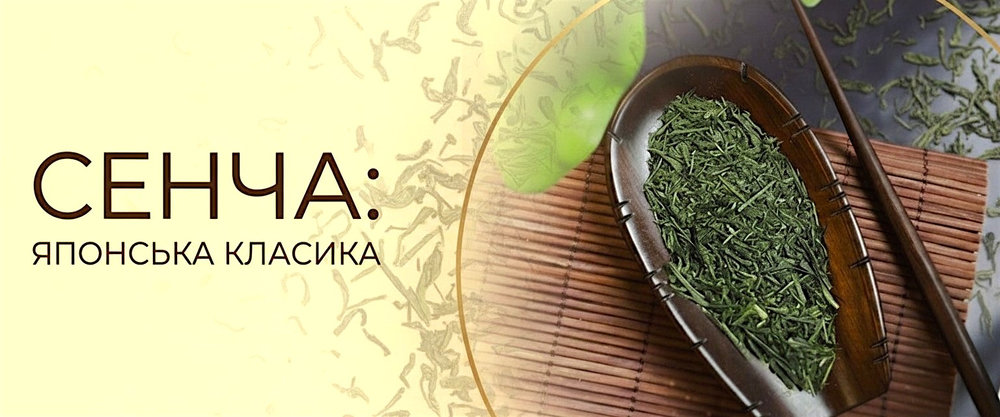

If you have decided to immerse yourself in the rich world of Japanese tea culture, sencha is the best starting point. It makes up the lion’s share of total production in Japan and serves as the true standard for daily tea drinking for millions of people. This variety is prized for its extraordinary freshness, light natural sweetness, and delicate vegetal profile that instantly transports your thoughts to a spring garden. Sencha is grown in open sunlight, which allows the leaves to accumulate a wealth of beneficial nutrients that impart a pleasant, barely perceptible astringency to the infusion. Moreover, a morning cup of this tea is wonderfully invigorating and helps you tune in for a productive workday.
What is Japanese sencha tea and how is it produced?
The secret to the unique flavor of this green tea lies in the specific technology used to stop the oxidation of the tea leaf. Unlike the Chinese tradition, where the raw material is mostly heated in hot metal woks, Japanese masters traditionally use steam processing. This process lasts from a few dozen seconds to a couple of minutes, instantly locking in the bright emerald color and fresh grassy notes in the leaves. Thanks to this delicate steaming, the tea retains a maximum of beneficial trace elements and its signature marine or vegetal aroma. After steaming, the leaves are rolled into thin needles and then carefully dried.
What is the difference between asamushi and fukamushi sencha?
As you begin to choose your first Japanese tea in more detail, you will inevitably come across these two terms, which indicate the duration of steaming. Asamushi means a light, short steaming, after which the tea leaf remains beautiful and intact, and the infusion comes out transparent, delicate, and very pure. Fukamushi, on the other hand, is a deeply, intensively steamed tea, during which the leaf becomes fragile and often breaks down into fine particles. Do not be intimidated by such a fine fraction or consider it dust, as it yields a thick, dense, bright green infusion with a very soft, sweetish profile.
How can you experience all the flavor nuances of high-quality sencha?
Tasting Japanese green teas is a fascinating process that requires some attention to your own sensations. Taking your first sip, you might initially feel a light vegetal astringency reminiscent of young spring greens or a sea breeze. Gradually, this astringency smoothly transitions into a pleasant, enveloping sweetness on the tongue. This exact balance of freshness and a soft, lingering aftertaste is the hallmark of high-quality raw materials and masterful leaf processing.
How to properly brew Japanese sencha at home?
To reveal all the subtleties of this multifaceted flavor, you will need clean water, the right temperature, and a little attention to proportions. The optimal water temperature is 70-80 degrees Celsius, and the ideal proportion is about 4-5 grams of dry leaves per 150-200 milliliters of volume. The first steeping should last about a minute, after which the infusion must be poured completely, down to the last drop, into a cup. This is extremely important so that the leaves do not continue to contact the water and over-steep in the teapot before the next infusion.
Why does green tea get bitter and how to fix this mistake?
The golden rule of Japanese teas is never to pour boiling water over them, as high temperatures will instantly draw out all the bitterness and completely destroy the delicate sweetness. Our experience at TEAHOUSE shows that if you don’t have a kettle with a precise temperature controller, you can use a simple and effective life hack. Just boil the water, pour it into a cold ceramic cup, wait two minutes, and only then pour it over the tea leaves. Each transfer of water from one vessel to another lowers its temperature by about 8-10 degrees, making it easy to achieve the perfect conditions for a tea session.
FAQ: Frequently Asked Questions about Japanese Sencha Tea
- How many times can you steep sencha? High-quality sencha perfectly withstands up to 3-4 infusions without losing its aroma. Each subsequent steeping should be slightly hotter and shorter in time (for example, 30 seconds) to maximize the extraction of the leaf’s remaining flavor potential. If you brew the tea in a large teapot using the European method, you should not re-steep the leaves.
- Can you drink this tea in the evening before bed? Since green tea contains a certain amount of caffeine, we recommend enjoying it in the first half of the day or after lunch to maintain productivity. The caffeine here acts mildly, but it still stimulates the nervous system. For the late evening, it’s better to choose options with a lower alkaloid content so as not to disrupt your sleep.
- What is the best teaware for brewing Japanese teas? Traditionally, a clay kyusu teapot with a side handle is used in Japan, as its built-in fine strainer perfectly holds back tiny tea particles. This vessel is very convenient for daily use and allows you to pour the water quickly. However, you can perfectly well use a classic glass gaiwan or any convenient teapot with a fine filter.
- Do you need to rinse Japanese green tea before brewing? Unlike many Chinese pu-erhs or dark oolongs, Japanese sencha does not need to be rinsed with hot water. It is produced in highly sterile conditions, making it completely safe for immediate consumption. Besides, the first steeping is the most valuable, as it contains the maximum amount of fresh aromatic compounds and beneficial amino acids.