


There are days when it’s hard to concentrate in the morning, when you want a little reset after lunch, and when an evening brings the desire to slow down and spend time alone with your thoughts. We are used to looking for ways to change our state: taking a walk, listening to music, drinking coffee, or meeting friends. But there is another interesting option-brewing some Pu-erh. This Chinese tea has long attracted attention not only for its unusual flavor profile, but also for the sensations people associate with drinking it.
Does Pu-erh really have the power to change your mood? The answer is a bit more complex than it might seem at first glance. Pu-erh contains caffeine and other natural compounds that can affect alertness and the subjective feeling of focus. At the same time, our perception is influenced by the strength of the infusion, the amount of tea drunk, individual caffeine sensitivity, the time of day, and even the atmosphere of the tea-drinking experience itself. Therefore, you shouldn’t view Pu-erh as a guaranteed mood-altering tool, but it can certainly be considered an interesting element of a daily ritual.
How Does Caffeine in Pu-erh Affect Energy and Concentration?
To begin with, caffeine lies at the root of many sensations following a tea session. It affects the central nervous system, specifically temporarily reducing feelings of drowsiness and potentially improving alertness. That is why after a cup of strong Pu-erh, some people feel it is easier to return to work, focus on tasks, or continue an active day. However, individual reactions vary: for some, the effect will be noticeable, while others will barely feel a difference.
Interestingly, tea contains not only caffeine but also other biologically active substances, notably polyphenols and amino acids. Among them, L-theanine is worth mentioning, as it naturally occurs in tea leaves and is studied in connection with attention and cognitive processes. The interaction of various tea components is complex, and their concentration depends on the raw material and processing. Therefore, popular stories about a special “tea state” should be taken as descriptions of personal sensations rather than a guaranteed physiological effect from every single cup.
Another important point is that Pu-erh doesn’t necessarily affect you the same way every day. If you slept well, ate, and feel energetic, a cup of tea can be a pleasant addition to your working rhythm. If your body is exhausted, Pu-erh will not replace a full rest. It can temporarily reduce sleepiness, but it doesn’t eliminate the root cause.
How Do Shu Pu-erh and Shen Pu-erh Differ in Their Effect on Well-being?
In the world of Pu-erh, there are two main varieties-Shu and Shen. They differ in production technology, flavor profile, aroma, and how they unfold during brewing. Shen Pu-erh undergoes natural aging, while Shu Pu-erh is produced using an accelerated fermentation technology known as wo dui. This difference creates two quite distinct gastronomic experiences.
Shen Pu-erh often features a fresher, herbal, grassy, or fruity profile, depending on the age and origin of the raw material. Younger samples can be brighter, with noticeable astringency and a light bitterness, while aged ones gradually acquire a softer and more complex character. Many connoisseurs choose Shen for the first half of the day when they want to experience an expressive taste and take a tea break between tasks.
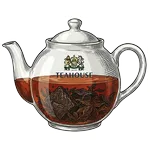
Shu Pu-erh is typically associated with deeper and rounder notes: wood, nuts, cocoa, dried fruits, sometimes earth or dark chocolate. Its infusion is often dense, smooth, and rich. That is why Shu Pu-erh is frequently chosen for unhurried tea sessions when you want to focus on the aroma and the gradual unfolding of flavor. However, it is important to remember: neither Shu nor Shen has a guaranteed calming or toning effect. Both types contain caffeine, and the sensations after drinking depend on many factors.
Which Pu-erh to Choose When You Want Energy and New Experiences?
If you are just starting your acquaintance with Pu-erh, it’s worth trying several different formats and flavor profiles. For example, Shu Pu-erh Mini Tuo Cha “Black Turtle” No. 837 from TEAHOUSE is an interesting option for those who want to try Shu Pu-erh in a convenient portioned format. Mini Tuo Cha makes it easy to control the amount of tea leaves and experiment with the strength of the infusion. This format is convenient to take along or use for a small tea session at home when you don’t feel like weighing out leaves separately.
For those interested in fresher and more expressive taste sensations, you can look at Shen Pu-erh Loose Leaf No. 110. The loose-leaf format offers more opportunities to independently regulate the amount of tea material and watch how it opens up during brewing. Shen is especially interesting for comparing different steepings: the first portions might reveal some notes, while subsequent ones show others. This is a good choice for those who love exploring tea step by step.
Shu Pu-erh Petit Mandarin No. 843 deserves special attention. It combines Shu Pu-erh with a natural mandarin peel, creating an interesting blend of a rich tea profile and a delicate, light citrus undertone. Its taste may feature woody, nutty, chocolate, and dried fruit notes, while the mandarin sounds quite restrained. This option works well for those who want to diversify their usual tea drinking and discover a different combination of aromas.
And if you want to try an unusual format, TEAHOUSE offers Detox Shu Pu-erh + Seeds No. 575, which is also positioned as an energizing tea. It is interesting for its combination of Shu Pu-erh and milk thistle seeds, which sets it apart from classic options. You might consider it for exploring alternative tea blends, especially if you enjoy discovering new ingredient combinations.
Why Does a Feeling of Calm Sometimes Appear After Drinking Tea?
You’ve probably noticed that even a regular cup of your favorite tea can help you disconnect a bit from daily worries. In this case, an important role is played not only by the composition of the tea, but by the ritual itself. We get out the utensils, heat the water, measure the leaves, watch the color of the infusion, and smell the aroma. This sequence of actions creates a small pause between work tasks and personal time.
In tea culture, there is even a separate concept-mindful tea drinking. It involves paying close attention to the taste, aroma, temperature, and your own sensations without constantly getting distracted by your phone or other matters. You don’t need to specifically meditate or follow complex rules. It is enough to put work aside for a few minutes, pour tea into a cup, and focus on what is happening.
That is why some people describe a feeling of inner peace or composure after tea drinking. However, this effect shouldn’t automatically be attributed solely to Pu-erh. Habit, a pleasant atmosphere, slowing down the pace, and expectations from the ritual itself all play a part. Sometimes the most valuable thing in tea drinking is the opportunity to finally give some time to yourself.
How to Properly Brew Pu-erh to Unlock Its Flavor?
To get a pleasant infusion, it’s important to consider the characteristics of a specific Pu-erh. For Shu Pu-erh, hot water around 95-100 °C is usually used, while the temperature for Shen Pu-erh can depend on age and raw material specifics. Young Shen teas often open up better at slightly lower temperatures, whereas aged samples can handle boiling water well. If you are just getting to know a specific tea, start with the manufacturer’s recommendations and gradually adjust the brewing to your own preferences.
For the Chinese brewing method, a gaiwan or a small teapot works best. For 100-150 ml of water, you can take about 5-7 g of tea, but this is a guideline, not a strict rule. First, warm the vessel, put in the tea leaves, and quickly rinse them with hot water if needed. Make the first steepings short, and gradually lengthen subsequent ones while observing flavor changes.
Here is another useful life hack: do not leave the leaves in water after brewing is finished. It is better to completely pour the infusion into a cha hai (fairness cup) and then serve it into cups from there. This way, each portion will have a more uniform taste, and the tea won’t become overly astringent due to prolonged contact with water. If the Pu-erh seems too strong, reduce the amount of leaves or shorten the steeping time.
When Is the Best Time to Drink Pu-erh So It Doesn’t Interfere with Rest?
Since Pu-erh contains caffeine, the time of day matters. For many people, morning and afternoon hours are the most comfortable, especially if tea becomes part of a working ritual. In the first half of the day, you can try Shen Pu-erh, and in the afternoon-Shu Pu-erh with a rounder flavor profile. However, this distribution is only a recommendation for a gastronomic experience, not a rule regarding the physiological effects of different tea types.
If you are sensitive to caffeine, it is better to avoid Pu-erh a few hours before sleep. For some people, even a small portion of tea in the evening can affect falling asleep or sleep quality. Also, you shouldn’t brew very strong Pu-erh on an empty stomach, especially if you’ve noticed discomfort after such a tea session. It is best to focus on your own well-being, gradually finding a comfortable time and infusion strength.
Should You Use Pu-erh as a Way to Manage Your Mood?
Pu-erh can become a pleasant part of your daily rhythm, help create a pause, temporarily reduce the feeling of sleepiness thanks to caffeine, and offer new flavor experiences. But it is not a cure for a bad mood, anxiety, or emotional exhaustion. If you feel tired, tea can complement rest, but it will not replace sleep, proper nutrition, and self-care.
You can even run a small experiment: over the course of a few days, choose different types of Pu-erh and write down your impressions. Which tea feels most pleasant in the morning? Which flavor suits a work break best? Does your perception of the exact same variety change depending on the time of day and brewing method? Such observations will help you better understand your preferences and find tea that organically fits into your daily routine.
And perhaps this is the special appeal of Pu-erh. It offers a whole world of tastes, aromas, and tea traditions that can be explored gradually. You don’t need to expect an instant mood change from every cup. Sometimes it’s enough to find a few free minutes, brew your favorite variety, and allow yourself to enjoy the moment.
FAQ: Frequently Asked Questions About Pu-erh and Mood
Does Pu-erh really improve mood?
Pu-erh can temporarily affect alertness and concentration due to caffeine. At the same time, emotional feelings after tea drinking are individual and depend on many factors.
Which Pu-erh is best to drink for energy?
Both Shu and Shen Pu-erh contain caffeine, so both can help reduce sleepiness. It is better to make your choice based on flavor preferences and your personal reaction to the tea.
Can you drink Pu-erh every day?
Yes, if you tolerate caffeine well and practice moderation. It is important to consider your total caffeine intake from all sources and your own well-being.
Does Shu Pu-erh calm you down?
Some people associate drinking Shu Pu-erh with a feeling of calm due to its smooth taste and the ritual itself. However, it contains caffeine and is not a sedative.
Can you drink Pu-erh before bed?
People sensitive to caffeine should avoid Pu-erh in the evening hours. It can make falling asleep difficult, so the optimal time for tea drinking should be determined individually.