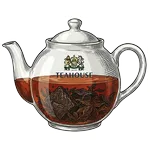
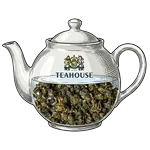
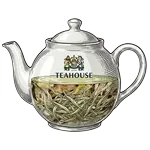
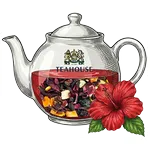







Drinking tea on an empty stomach can sometimes cause nausea, heartburn, or stomach discomfort. Possible causes include caffeine, tea polyphenols, and individual digestive sensitivity. Discomfort is particularly common after drinking strongly brewed tea or a large serving of matcha. However, this does not mean that drinking tea on an empty stomach is harmful to everyone. If you notice such a reaction, try drinking tea after breakfast, brewing it less strongly, or choosing a caffeine-free alternative.
Why Can Drinking Tea on an Empty Stomach Cause Nausea?
A simple cup of tea seems harmless enough – so what could possibly cause discomfort? In fact, tea contains hundreds of naturally occurring compounds, some of which affect not only its flavor but also how we feel.
Tannins and Other Polyphenols. These compounds are largely responsible for tea’s characteristic astringency. In some people, a strong, concentrated infusion may cause nausea or discomfort, especially when consumed before eating. However, tannins should not be considered inherently harmful. They are natural components of tea leaves, and their effects depend on the amount consumed and individual sensitivity.
Caffeine. Tea contains caffeine, which can stimulate stomach acid secretion. In sensitive individuals, this may sometimes lead to heartburn or discomfort. People who are prone to acid reflux should be particularly mindful of their caffeine intake.
Brewing Strength. The more tea leaves you use and the longer you steep them, the more compounds are extracted into the water. This is why an overly strong cup of tea may be harder to tolerate than a lighter infusion of the same variety.
It is important to understand that feeling nauseous after drinking tea does not necessarily mean that the stomach lining has been irritated or damaged. Nausea is a symptom that can have various causes.
How to Drink Tea in the Morning Without Discomfort
Sometimes, changing just one habit is enough to make your morning cup of tea enjoyable again.
- Avoid Drinking Strong Tea Before Breakfast.
If you have experienced nausea after drinking tea on an empty stomach, try eating something light first, such as toast, a banana, porridge, or another familiar food. For many people, drinking tea after a meal is more comfortable.
- Reduce the Strength of Your Tea.
For green tea, try starting with a water temperature of 70-80 °C (158-176 °F) and a steeping time of 1-2 minutes. For black tea, aim for approximately 2-3 minutes.
These are general guidelines, as individual tea varieties may require different water temperatures or steeping times.
- Pay Attention to How Much Tea You Drink.
If even a small cup causes discomfort, simply brewing weaker tea and drinking larger quantities may not solve the problem. Instead, try a smaller serving and observe how your body responds.
- Try a Different Tea Variety or a Caffeine-Free Alternative.
For example, instead of strong black tea, you might choose a lightly brewed oolong or rooibos. TEAHOUSE offers teas with a wide range of flavor profiles and processing methods, allowing you to experiment not only with different varieties but also with water temperature, the amount of tea leaves, and steeping time.
- Don’t Expect a One-Size-Fits-All Solution.
Adding milk may soften the astringency of black tea, but it does not guarantee protection against nausea or heartburn. Similarly, drinking a glass of water before tea helps maintain hydration, but it is not a proven method of preventing discomfort.
Can Drinking Tea on an Empty Stomach Harm Your Health?
For most healthy adults, moderate consumption of regularly brewed tea does not pose a significant health risk. However, there are several factors worth considering.
Iron Absorption. Tea polyphenols can reduce the absorption of non-heme iron, which is found primarily in plant-based foods. This is particularly important for people with iron deficiency or an increased risk of developing it.
Research suggests that leaving an interval of approximately one hour between a meal and drinking tea may help reduce this effect [1]. If you are being treated for iron deficiency or taking iron supplements, consult your doctor about the best time to drink tea.
Concentrated Green Tea Extracts. It is important to distinguish between traditionally brewed tea and dietary supplements containing high doses of catechins.
According to the European Food Safety Authority (EFSA), catechins from traditionally brewed green tea are generally considered safe when consumed in typical amounts. However, supplements providing EGCG doses of 800 mg per day or more have been associated with signs of potential liver damage [2]. This does not represent a universal safety threshold for all supplements.
Digestive Conditions. If you have gastroesophageal reflux disease (GERD), peptic ulcer disease, or other gastrointestinal conditions, follow your doctor’s recommendations and pay attention to how your body responds to different beverages.
If nausea, stomach pain, or heartburn occurs regularly, it should not automatically be attributed to tea. Persistent symptoms require medical evaluation.
Should You Give Up Your Morning Tea?
Not necessarily. If drinking tea on an empty stomach does not cause any discomfort, there is no reason to automatically give up this habit.
However, if you experience nausea after a cup of tea, try changing when you drink it, adjusting the strength of the infusion, or choosing a different variety. Sometimes, simply enjoying your favorite tea after breakfast is enough to make a difference.
Tea culture is not just about brewing techniques – it is also about paying attention to how you feel. The best way to enjoy tea is one that combines the pleasure of its flavor with your body’s comfort.
Frequently Asked Questions (FAQ)
Can You Drink Green Tea on an Empty Stomach?
Yes, as long as you tolerate it well. If you experience nausea, try a weaker infusion or drink your tea after breakfast.
Why Does Green Tea Make Me Nauseous, but Black Tea Doesn’t?
Possible reasons include differences in brewing strength, caffeine content, polyphenol composition, or individual sensitivity. Your body’s response depends on more than just the type of tea.
Which Tea Is Best for a Sensitive Stomach?
There is no universally suitable option. If caffeine is the cause of your discomfort, try rooibos or a suitable caffeine-free herbal infusion.
Does Adding Milk Help Prevent Tea-Related Nausea?
Milk changes the flavor of tea and may reduce its perceived astringency, but there is no conclusive evidence that it prevents nausea.
How Long Should You Wait After Eating Before Drinking Tea?
For people at risk of iron deficiency, waiting approximately one hour after a meal may be beneficial. For most other people, there is generally no need to maintain a specific interval.
Sources
- A 1-h time interval between a meal containing iron and consumption of tea attenuates the inhibitory effects on iron absorption. American Journal of Clinical Nutrition, 2017.
https://pubmed.ncbi.nlm.nih.gov/29046302/ - European Food Safety Authority (EFSA). Scientific opinion on the safety of green tea catechins, 2018.
https://www.efsa.europa.eu/en/press/news/180418 - National Institutes of Health, Office of Dietary Supplements. Dietary Supplements for Immune Function and Infectious Diseases – section on the safety of green tea and green tea extracts.
https://ods.od.nih.gov/factsheets/ImmuneFunction-HealthProfessional/