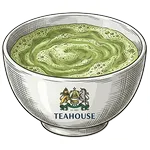
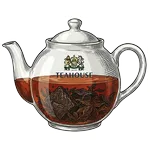
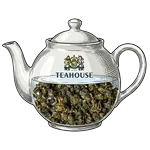
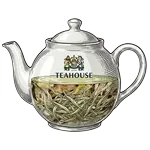


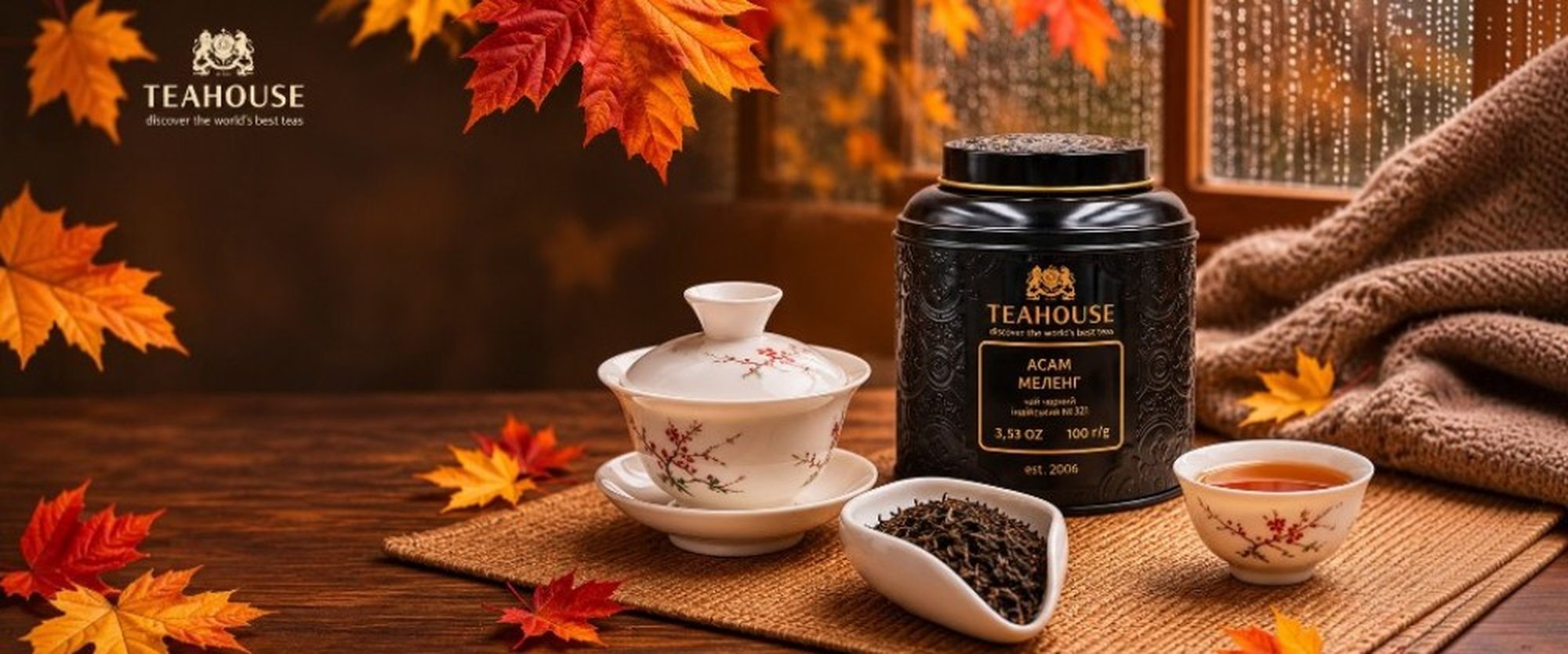

Autumn often makes us crave stronger tea. As the weather gets colder, our daily habits and taste preferences begin to shift. Instead of light, refreshing flavors, we may find ourselves drawn to richer infusions, deeper aromas, and warm nutty, honey-like, or malty notes. However, stronger tea does not necessarily mean more caffeine. Sometimes, choosing a different variety or slightly adjusting the brewing method is all it takes.
Imagine a typical autumn morning. It is chilly outside, daylight is fading, and you are holding a hot cup of tea. The same delicate infusion that tasted wonderful in August may now seem a little too subtle. Instead, you might want something fuller-bodied, with a lingering aftertaste and an aroma that stays with you long after the last sip.
Why does this happen? And should we really brew stronger tea in autumn? Let’s explore these questions with TEAHOUSE.
Why Do Our Tea Preferences Change in Autumn?
Our perception of tea depends on more than just our taste buds. The surrounding temperature, daily habits, mood, aroma, and even the foods we pair with tea can influence our choices.
On hot days, many people enjoy light floral and grassy flavor profiles. These are associated with freshness, especially when tea is served chilled. As autumn arrives, however, a hot infusion with a pronounced aroma and a lingering aftertaste often becomes more appealing.
Seasonal associations also play an important role. The scents of nuts, dried fruit, honey, and caramel bring to mind homemade pastries, warm kitchens, and unhurried evenings. This is why teas with similar notes can feel particularly inviting during the colder months.
At the same time, there is no universal rule suggesting that everyone’s taste sensitivity changes in autumn. It is primarily a matter of individual preferences and the context in which we enjoy tea.
What Does Strong Tea Actually Mean?
When we describe tea as strong, we may be referring to several different characteristics.
Flavor intensity. The infusion has a distinctive character, clearly noticeable flavor notes, and a lingering aftertaste.
Astringency. A slightly dry sensation appears in the mouth after a sip. This is associated, among other factors, with polyphenolic compounds found in tea leaves.
Body and texture. The tea feels rounded, full-bodied, or even velvety on the palate.
Caffeine content. This is a separate characteristic that cannot be accurately determined by the color or intensity of the infusion alone.
For example, dark shu pu-erh may produce a rich, smooth infusion without pronounced astringency. Indian black tea, on the other hand, can offer a bold malty flavor with more noticeable astringency.
Both may seem strong, but the drinking experience will be quite different.
Research confirms that water temperature, steeping time, and the characteristics of tea leaves influence the extraction of caffeine and other compounds. Therefore, a rich flavor should not automatically be associated with a high caffeine content.
Which Teas Are Particularly Worth Trying in Autumn?
Autumn is a wonderful opportunity to explore different expressions of flavor intensity. The TEAHOUSE collection offers distinctive teas that are rich in character yet remarkably different from one another.
Shu Pu-erh “Dragon No. 19”, 2020 – For Lovers of Deep Flavors
Shu pu-erh is often appreciated for its dark infusion, dense texture, and characteristic depth of flavor.
During production, this tea undergoes accelerated microbial fermentation, which helps develop its recognizable profile. Depending on the particular tea, woody, nutty, earthy, or slightly sweet notes may emerge.
We recommend Shu Pu-erh “Dragon No. 19”, 2020 as an introduction to this category. It is particularly interesting to brew using short, successive infusions, observing how the intensity and aftertaste evolve.
This brewing method is especially enjoyable on an autumn evening when you want to spend a little more time appreciating your tea.
Assam Doomni SFTGFOP1 No. 091 – For Chilly Mornings
Indian Assam has a different character. It is valued for its pronounced richness, malty notes, and ability to produce a strong infusion.
Assam Doomni SFTGFOP1 No. 091 is a high-grade Indian black tea. The SFTGFOP1 designation describes the grading of the tea leaves but does not, by itself, determine the strength of the brewed tea.
This tea is an excellent choice for a morning cup when you are looking for a more pronounced, invigorating flavor profile.
Try brewing it without any additions first to appreciate the natural character of the tea leaves. Then compare it with a cup containing a little milk: the texture and perception of astringency may change noticeably.
GABA Da Hong Pao No. 1015 – For Those Who Appreciate Complex Aromas
Dark oolongs are fascinating because their richness often comes from a multilayered aroma rather than sharp astringency.
Roasted oolongs may reveal nutty, caramel-like, toasted, and fruity nuances. These develop through the processing of the tea leaves, particularly oxidation and roasting.
GABA Da Hong Pao No. 1015 from TEAHOUSE is worth including in an autumn tea tasting to compare the character of oolong with black tea and shu pu-erh.
Pay attention not only to the first sip but also to the aroma of the empty tea cup after drinking. Sometimes, this is where the most interesting warm aromatic notes reveal themselves.
Honey GABA Oolong No. 1013 – When You Want Something Smooth
Not every autumn tea needs to be astringent or particularly dark.
Honey GABA Oolong No. 1013 offers a different approach to seasonal tea drinking. Its honey-like flavor profile draws attention to smoothness, aroma, and a pleasant aftertaste.
Teas like this are interesting to compare with more intensely flavored varieties. They help us notice that a sense of comfort can come not only from strength but also from the character of the aroma.
Try this oolong in the afternoon when you want something expressive without excessive astringency. However, remember that GABA oolong, like other teas made from Camellia sinensis, contains caffeine.
Read more: [GABA Oolong vs. Regular Oolong: What Is the Difference, and How Do They Taste?]
How Can You Make Tea Richer Without Making It Bitter?
One of the most common mistakes is trying to achieve a deeper flavor simply by leaving tea leaves in hot water for much longer.
Sometimes this works, but often the increased intensity comes with additional bitterness and astringency.
To achieve a balanced infusion, pay attention to three factors.
1. Amount of Tea Leaves
If you want a more pronounced flavor, try slightly increasing the amount of tea leaves without significantly changing the brewing time.
This may help you achieve a richer infusion without necessarily making it overly astringent.
2. Water Temperature
Different tea categories require different brewing approaches.
Black tea and shu pu-erh are generally brewed with hot water at around 90–100°C. For oolongs, the appropriate temperature may vary depending on how the leaves have been processed and the producer’s recommendations.
It is important not to use the same temperature for every tea without exception.
3. Steeping Time
Longer brewing does not always mean better flavor.
If your tea already has a pleasant richness but begins to taste bitter, shorten the steeping time next time. Experimenting with short, successive infusions can be particularly rewarding, as the same tea gradually reveals different aspects of its character.
Do We Really Need More Caffeine in Autumn?
Not necessarily. The desire for a richer cup of tea is not always related to a need for caffeine. Sometimes, we simply enjoy a more pronounced flavor or a familiar aroma.
Furthermore, the dark color of an infusion is not a reliable indicator of its caffeine content.
Caffeine levels are influenced by the tea variety, the composition of the leaves, the amount of tea used, water temperature, and steeping time.
If you are sensitive to caffeine, keep this in mind when drinking tea in the evening. Even a smooth-tasting oolong or shu pu-erh may contain a noticeable amount of caffeine.
A Little Autumn Experiment: One Tea, Two Flavors
To discover what kind of intensity you enjoy most, try a simple tea tasting at home.
Take Assam Doomni No. 091 and prepare two cups of equal volume.
- First cup: 2 g of tea per 200 ml of water, approximately 95°C, for 3 minutes.
- Second cup: 2.5 g of tea per 200 ml of water, approximately 95°C, for 3 minutes.
These are approximate parameters for comparison, not mandatory brewing instructions for this particular tea.
Taste both cups once they have cooled to a comfortable drinking temperature. Compare their aromas, body, astringency, and the length of their aftertaste.
You may find the second cup more enjoyable during autumn. Or perhaps you will discover that you prefer a more delicate flavor regardless of the season.
The key is learning to distinguish richness from excessive astringency. This will help you fine-tune the brewing process for any tea.
Read more: [How to Learn to Distinguish Tea Flavors Without Professional Tasting Experience]
FAQ: Frequently Asked Questions About Strong Tea in Autumn
Why do we crave stronger tea more often in autumn?
Cooler weather, seasonal habits, and associations with warm aromas may increase our desire for richer tea. However, these preferences are individual and do not mean that our taste buds necessarily function differently in autumn.
Which tea is best for autumn?
If you enjoy deep flavors, try shu pu-erh or Indian Assam. Dark oolongs are ideal for those who appreciate complex aromas, while honey-like GABA oolongs offer a smoother tea-drinking experience.
Does a darker tea infusion mean it is stronger?
No. Color depends on the type of tea, how the leaves are processed, and the brewing method. A dark infusion does not necessarily contain more caffeine.
How can I brew strong tea without bitterness?
Try slightly increasing the amount of tea leaves, but avoid oversteeping. Follow the recommended water temperature and gradually adjust the brewing time.
Can I drink shu pu-erh and GABA oolong in the evening?
Yes, if you tolerate caffeine well. However, both teas contain caffeine, so people who are particularly sensitive to it should consider the time of day and the strength of the infusion.
Autumn Tea: Choose Your Favorite Flavor, Not Just Strength
Autumn is a wonderful opportunity to reconsider your usual tea preferences. Perhaps you will now enjoy a rich Assam with malty notes, a deep shu pu-erh, or an aromatic GABA oolong with honey-like nuances.
But the most interesting part is observing how your perception of the same tea changes depending on brewing conditions, temperature, and mood.
At TEAHOUSE, we recommend looking beyond the simple descriptions of “strong” and “weak.” Try describing tea more precisely: full-bodied, rounded, astringent, malty, honey-like, or with a lingering aftertaste. This makes it much easier to find the flavor you will want to return to on chilly days.
And which tea reminds you of autumn – a rich shu pu-erh, a classic Assam, or an aromatic oolong?
Sources
- Foods (2025). Determination of L-Theanine and Caffeine Contents in Tea Infusions with Different Fermentation Degrees and Brewing Conditions Using the Chromatographic Method. A study examining the effects of brewing temperature and time on caffeine and L-theanine content.
- Scientific Reports (2026). Effects of brewing conditions on the sensory and chemical properties of Turkish black tea and their interrelationships. A study exploring the relationships between brewing parameters, color, flavor, and the chemical composition of black tea.
- Journal of Food Science and Technology (2015). Effects of different brewing conditions on catechin content and sensory acceptance in Turkish green tea infusions. A study examining the effects of brewing temperature and steeping time on the sensory properties of tea.
- TEAHOUSE. Selection of Indian black teas, shu pu-erh teas, and GABA oolongs.