



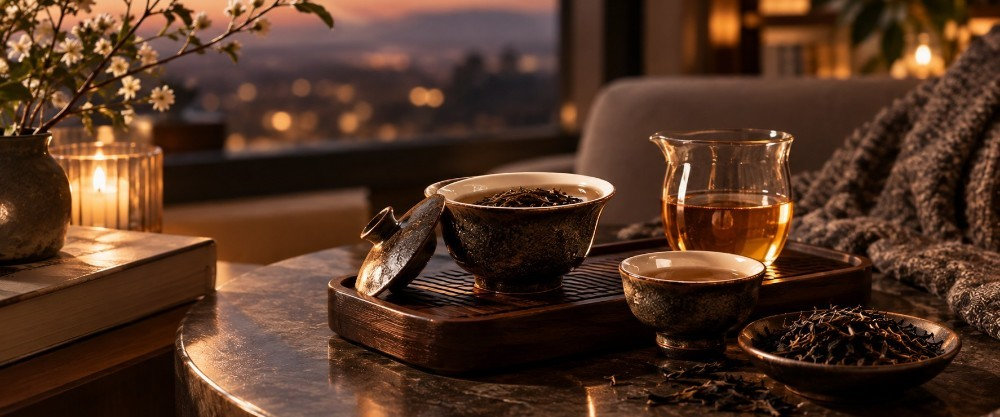
Tea as an Alternative to a Glass of Wine in the Evening

Today we have gathered for a very interesting topic that goes far beyond the usual everyday conversations. Typically, after a strenuous day, we look for a way to stop the frantic pace of life and switch to a calm wave. Often, a glass of your favorite wine becomes this tool, yet modern culture offers us many other exquisite scenarios. We will not argue about the benefits or harms of alcohol, as everyone chooses what suits them best. Our goal is to look at familiar things from a different angle and talk about how the complex flavor profile of an infusion can deliver a similar state of internal pause and aesthetic pleasure.
What to Replace Wine With in the Evening: Tea as an Alternative to a Glass of Wine
When we talk about an evening glass, we most often seek not the alcohol itself, but a specific scenario. The ritual itself is important to us: pouring something into beautiful glassware, feeling the rich aroma, taking the first slow sip, and feeling how the day finally leaves your thoughts. Tea is fully capable of recreating this magic due to its versatility. Camellia sinensis leaves, when brewed correctly, unfold into hundreds of notes-ranging from fruity and floral to woody or spicy. In this sense, high-quality tea leaves very much resemble aged wine, as there is also body, tannins, acidity, and a long after-taste that lingers long after you have placed your porcelain cup on the table.
Which Tea to Drink in the Evening to Create a Special Atmosphere?
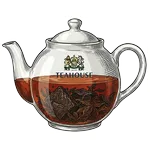
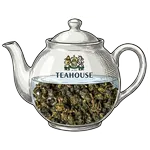
Choosing the right variety for the evening depends entirely on your individual state and personal preferences. If you want to feel density, depth, and a warming effect, pay attention to dark oolongs or aged pu-erhs. They have a thick, earthy, or slightly smoky profile that wonderfully structures the space around you. For those who prefer sweetish and rich notes in the cup, red varieties with a bright fruit-and-chocolate sound work wonderfully. Of course, it is worth keeping caffeine in mind, so for late evenings, you can choose aged shu pu-erhs with a low content of stimulating substances or herbal compositions that will not disrupt your night’s rest, but will offer comfort.
Tea Instead of Wine in the Evening: How to Arrange a Home Tasting?
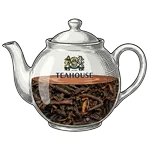
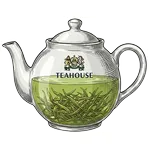
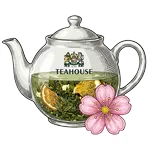
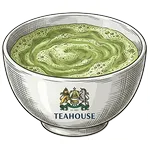
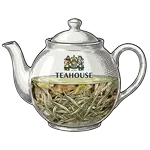
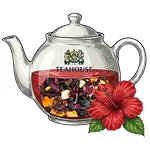
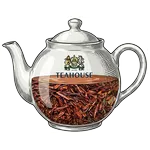
To turn ordinary tea drinking into true art, it is worth paying attention to the details. Forget about haste and supermarket teabags, as our ritual requires respect for the process. Take a beautiful teapot, heat quality soft water, and watch as the dry leaves slowly unfold under the influence of hot temperature. For example, by choosing TEAHOUSE products, you receive an entire culture with its own history, where every jar or package is thought out to the smallest detail for maximum aesthetic pleasure. Pour the infusion in small portions, warm the cup in your hands, inhale the steam, and try to break down the bouquet into individual notes, much like professional sommeliers do.
Tea as an Alternative to Alcohol: Why Try a New Ritual?
The transition to new taste habits should never happen through force or internal restrictions. It should rather be an exciting journey into the world of new sensors and sensations. When you begin to consciously treat what you drink in the evening, your perception of taste gradually sharpens. You notice the subtle nuances possessed by a specific harvest year or a particular region of tea bush cultivation. Such an approach wonderfully disciplines the mind, relieves tension after a work week, and grants a sense of belonging to an ancient tradition that unites people all over the world.
Frequently Asked Questions
Does evening tea contain caffeine, and will it interfere with sleep? The level of caffeine depends on the specific variety. Green and light oolongs energize more strongly, whereas aged pu-erhs or certain types of dark teas act more mildly, and for late evenings, caffeine-free alternatives can always be selected.
How to properly prepare for an evening tea ceremony? The main thing is to remove all distracting factors, turn off bright lighting, brew water at the correct temperature, and take comfortable tableware that feels pleasant to hold in your hands.
Why does the taste of tea resemble wine? Complex biochemical processes during fermentation and leaf processing form rich tannin structures, acidity, and diverse aromatic compounds that create similar sensory experiences.
Чи була ця стаття корисною?
Ще немає оцінок — будьте першими.