

How to Properly Pair Craft Chocolate with Different Tea Varieties
The habit of pairing tea with sweets is familiar to many of us since childhood. However, when it comes to elite varieties and authentic craft chocolate, a regular tea time turns into the high art of food pairing. It is a thoughtful process where two complex products complement and reveal each other’s hidden notes, creating an entirely new gastronomic experience. Today we will learn how to create flawless flavor pairings using multifaceted oolongs, deep pu-erhs, delicate green varieties, and exquisite chocolate.
Why Do Craft Chocolate and Tea Make Such a Harmonious Gastronomic Pair?
Both high-quality tea and natural craft chocolate have an incredibly complex chemical composition, rich in polyphenols, tannins, and hundreds of volatile aromatic compounds. When you taste a piece of quality chocolate, the cocoa butter slowly melts, softly enveloping your taste buds. The next sip of warm tea infusion washes away this texture, creating an entirely new, third flavor sensation on the tongue that did not exist in either product separately.
The golden rule of any food pairing is maintaining a balance of intensity. A light tea requires the most delicate accompaniment to preserve its refined profile. At the same time, a dense and robust infusion will easily withstand competition from extra dark chocolate or bright spices.
What Chocolate is Best Suited for Green Tea and Light Oolongs?
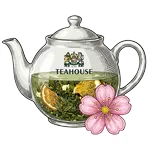
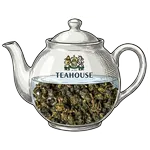
Light oolongs (for example, the famous Tie Guan Yin) and high-quality green varieties are renowned for their light, floral, sometimes grassy, or delicate creamy profile. Their delicate taste is very easy to drown out with overly aggressive or too sweet desserts. That is why a pair for such varieties should be selected with special care.
An ideal companion here would be high-quality white chocolate made with natural cocoa butter, which will perfectly accentuate the creamy texture of a light infusion. Delicate milk chocolate without bright spices will also work well, harmoniously prolonging the sweetish aftertaste of the tea. If you want to play on related notes, try craft chocolate with added flower pollen: its grassy nuances beautifully echo the freshness of light oolongs.
How to Choose a Chocolate Pair for Dark Oolongs and Red Tea?
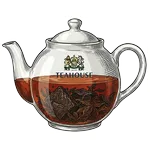
Dark oolongs, such as Da Hong Pao or Rou Gui, undergo prolonged roasting over charcoal, acquiring aromas of baked fruits, caramel, spices, and a light smokiness. Red tea varieties also demonstrate thick, warm notes of dried fruits and honey. Such an expressive style requires chocolate with a stronger and more complex structure.
Classic dark chocolate with a 60–70% cocoa content perfectly balances the sweetish, baked profile of the tea, creating a pleasant harmony without excessive bitterness. Dark chocolate with the addition of hazelnuts or almonds will also be an excellent choice: the nutty notes bring the hidden woody nuances of the tea to the forefront. Chocolate with sea salt crystals works especially interestingly, momentarily altering the perception of the receptors and making the caramel notes of the dark tea burst forth with renewed vigor.
What to Pair with Aged Pu-erhs for Maximum Flavor Expression?
Shu pu-erhs are characterized by a thick, dark color, earthy notes, and hints of a damp autumn forest, bark, and prunes. This is a true heavyweight in the world of tea culture, so its pairing must be appropriate. The experts at TEAHOUSE regularly conduct internal tastings, selecting the best combinations for our pu-erhs, and we know for sure that a weak dessert will simply get lost here.
Extra dark chocolate (75% and above) will perfectly suit an aged pu-erh, as its powerful astringency merges with the thick body of the infusion, creating a deep, mystical flavor experience. Adding chili pepper, cardamom, or ginger to the chocolate creates a piquant duet: the tea softens the spiciness, leaving only a pleasant warming heat. Furthermore, cherry or blackcurrant notes in the cocoa perfectly highlight the dried fruit style of old pu-erhs.
How to Properly Taste Tea with Chocolate at Home?
To get the most out of this gastronomic experiment, you should follow a simple but effective algorithm. First, take a small sip of pure tea to prepare your receptors and evaluate the basic profile of the infusion. Then, take a small piece of craft chocolate (about the size of a coin) and place it on your tongue, but under no circumstances should you chew it immediately.
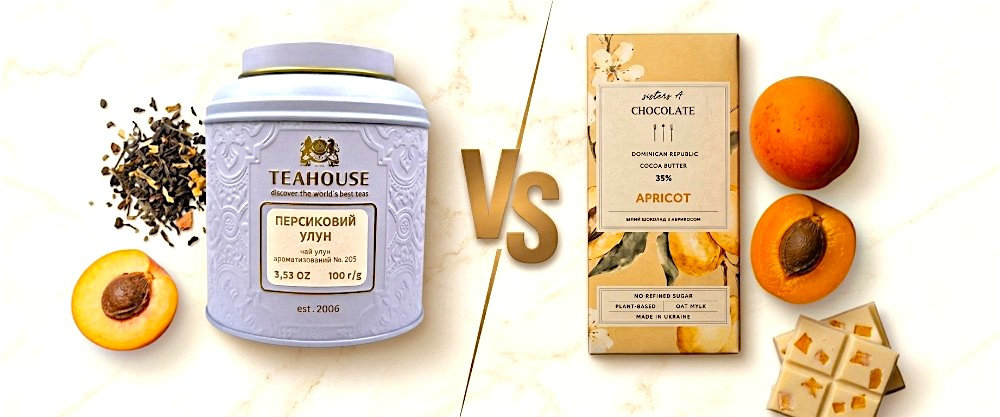
Wait until the chocolate begins to melt slightly from your natural body heat. At this very moment, take another slow sip of warm tea, allowing the liquid to wash over the chocolate and blend the flavors right in your mouth. It is most convenient to experiment with these pairings when you have truly high-quality ingredients on hand, such as the luxurious Sisters A chocolate, which you will always find in our store’s assortment.
Frequently Asked Questions
- Can you drink cold tea (Cold Brew) with chocolate? Yes, you can, but the effect will be different. A cold infusion will not melt the cocoa butter on your tongue, so the textures of the products will not blend as flawlessly as when using warm tea. It will rather be a sequential perception of two different flavors.
- Which chocolate will definitely ruin the taste of expensive tea? Cheap mass-market chocolate with a large amount of sugar, artificial flavorings, and palm oil instead of cocoa butter. Such a product leaves a greasy film on the receptors, blocking the perception of the subtle notes of high-quality tea.
- Does the sugar content in chocolate affect the perception of the infusion? Undoubtedly. The sweeter the chocolate, the more it suppresses the natural sweetness of the tea, drawing astringency and bitterness out of the infusion. That is why it is better to choose chocolate with a moderate sugar content for delicate varieties.