




Why Tea Has Color: Factors That Influence the Hue of the Infusion

Tea in a cup can range from nearly transparent and pale gold to vibrant green, rich amber, reddish-brown, or deep, dark brown. While we often associate a specific color with a particular type of tea, the hue actually depends on several factors at once: the cultivar, leaf processing, oxidation level, brewing method, and even the water used. So, why does tea have color, and what happens to the leaves before they reach our cup?
What Determines the Color of Brewed Tea?
The color of brewed tea comes from natural compounds present in the leaves. These include polyphenols, catechins, flavonoids, chlorophylls, and other pigments. However, the chemistry of the raw leaf is only part of the equation—how the leaf is processed after harvesting matters just as much. Production techniques largely dictate the final look of the liquor.
For instance, green and black tea both come from the same plant, Camellia sinensis. The difference lies primarily in processing and oxidation:
- Fresh leaves → Quick heating → Oxidation halts → Green tea → Light liquor
- Fresh leaves → Rolling → Oxygen exposure → Oxidation continues → Black tea → Amber-red or brown liquor
When looking at the tea in your cup, you are observing the direct result of chemical transformations during production and brewing. This makes color both an aesthetically pleasing feature and a visual clue to the tea’s history.
Why Does Green Tea Look Green or Yellowish?
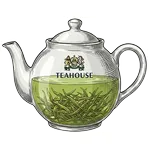
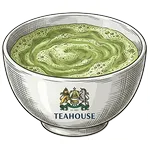
During green tea production, oxidation is quickly halted using heat (steaming or pan-firing). This preserves much of the leaf’s natural composition, particularly catechins and chlorophylls. Consequently, green tea liquor ranges from pale yellow to light green or golden-green. The exact tone depends on the cultivar, terroir, processing method, and brewing parameters. A vibrant green hue is not inherently a mark of quality—many exceptional green teas yield a very pale, translucent liquor.
Why Does Black Tea Produce a Dark Brew?
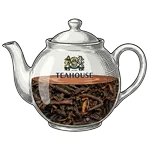
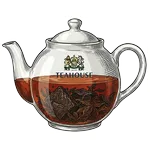
Black tea undergoes a completely different process. After harvesting, the leaves go through stages of full oxidation. Catechins and other polyphenols react to form new compounds, specifically theaflavins and thearubigins. These compounds are responsible for black tea’s signature golden-amber, reddish, and deep brown tones. The final color varies widely—from bright amber to dark reddish-brown—shaped by the cultivar, oxidation depth, leaf grade, and steeping method.
Why Is White Tea So Pale?
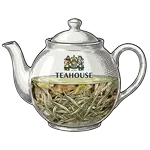
White tea undergoes minimal processing. The leaves are typically just withered and dried, leaving their natural state virtually untouched. As a result, the liquor remains delicate—ranging from almost clear to soft yellow, straw, or pale gold. Interestingly, the dry leaf’s appearance can contrast sharply with the brewed liquor: young buds coated in silvery-white down look pale and frosty, yet yield a warm, delicate golden infusion.
Why Does Oolong Tea Have Such a Wide Color Spectrum?
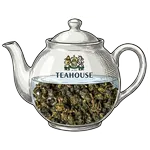
Oolong sits between green and fully oxidized tea. Because its oxidation level ranges anywhere from roughly 10% to 80%, its liquor spans a broad spectrum:
- Lightly oxidized oolongs: Pale yellow or soft greenish infusions.
- Heavily oxidized oolongs: Rich amber, honey, or reddish-brown tones.
While color provides a rough estimate of how an oolong was processed, it takes tasting the aroma and flavor profile to fully understand the craftsmanship behind it.
Does Water Affect the Color of Tea?
Yes. The visual profile of a brew often reflects the brewing water as much as the tea itself. Mineral content and water hardness directly impact clarity and color. High-mineral or hard water can make the liquor dull, cloudy, or darker, while also muting the flavor. The same tea leaves brewed with different water profiles can yield noticeably different colors and tastes.
Does a Bright, Vivid Color Indicate High Quality?
Not necessarily. Judging quality solely by color intensity is a common misconception. A premium green tea may produce a very pale brew, while an exceptional black tea does not need to be pitch-black. Quality is best evaluated holistically: aroma, flavor balance, mouthfeel, aftertaste, liquor clarity, leaf integrity, and how the profile unfolds across multiple infusions. Furthermore, an overly dark brew is often simply the result of over-steeping or using too high a leaf-to-water ratio.
Does Tea Color Change Across Infusions?
Yes, which is easy to observe when brewing gongfu-style or re-steeping leaves. The first infusion might be delicate and clear, while subsequent steeps become richer or gradually taper off depending on the tea variety and extraction rate. Water temperature, leaf amount, and contact time all govern how efficiently soluble compounds extract into the cup.
Color is one of the first sensory details noticed when pouring tea. It hints at how the leaves were processed, their oxidation level, and what to expect in the cup. Yet color is only the opening note—aroma, taste, texture, and finish come together to deliver the complete tea experience.
Чи була ця стаття корисною?
Ще немає оцінок — будьте першими.